The narrative captures the visceral confrontation of a naval deployment—the sudden, unstable release from the ship's ordered chaos into the chaotic freedom of a foreign port. Set in Suda Bay, Crete, the speaker filters the cultural spectacle of European Halloween through a lens of cynicism and existential fatigue. It is a chronicle of permission granted by the military to externalize the internal damage, where the search for "pretty British bartenders" and "giant glass boots" is a desperate, temporary attempt to reterritorialize desire before the anchor is weighed again.
The Archive
She left her cigarette, a crimson coal,
burning, not in the tray, but in my eye.
A tiny, incandescent wound.
Sneezing, she started another story,
motioning with her painted lips—a stark, red warning—
that I should pay more attention to the details.
She said there is still a terrible, necessary calculus
to be extracted from the daily paper,
that the invisible thread connects one life to all,
that the whole, brutal historical apparatus
is hinged on the price of milk and the stock report.
I told her that I'd rather spoke, rather read poetry,
preferring the lyrical lie to the grinding truth of the machine.
"You are a fool," she cut me, sharp and clean,
"and you will always be.
That's why you are not getting laid at night."
I'd plead, but her contempt was an absolute boundary;
her cunt, a forest protected by the moon—
a perfect, unbreachable fortress of autonomous will.
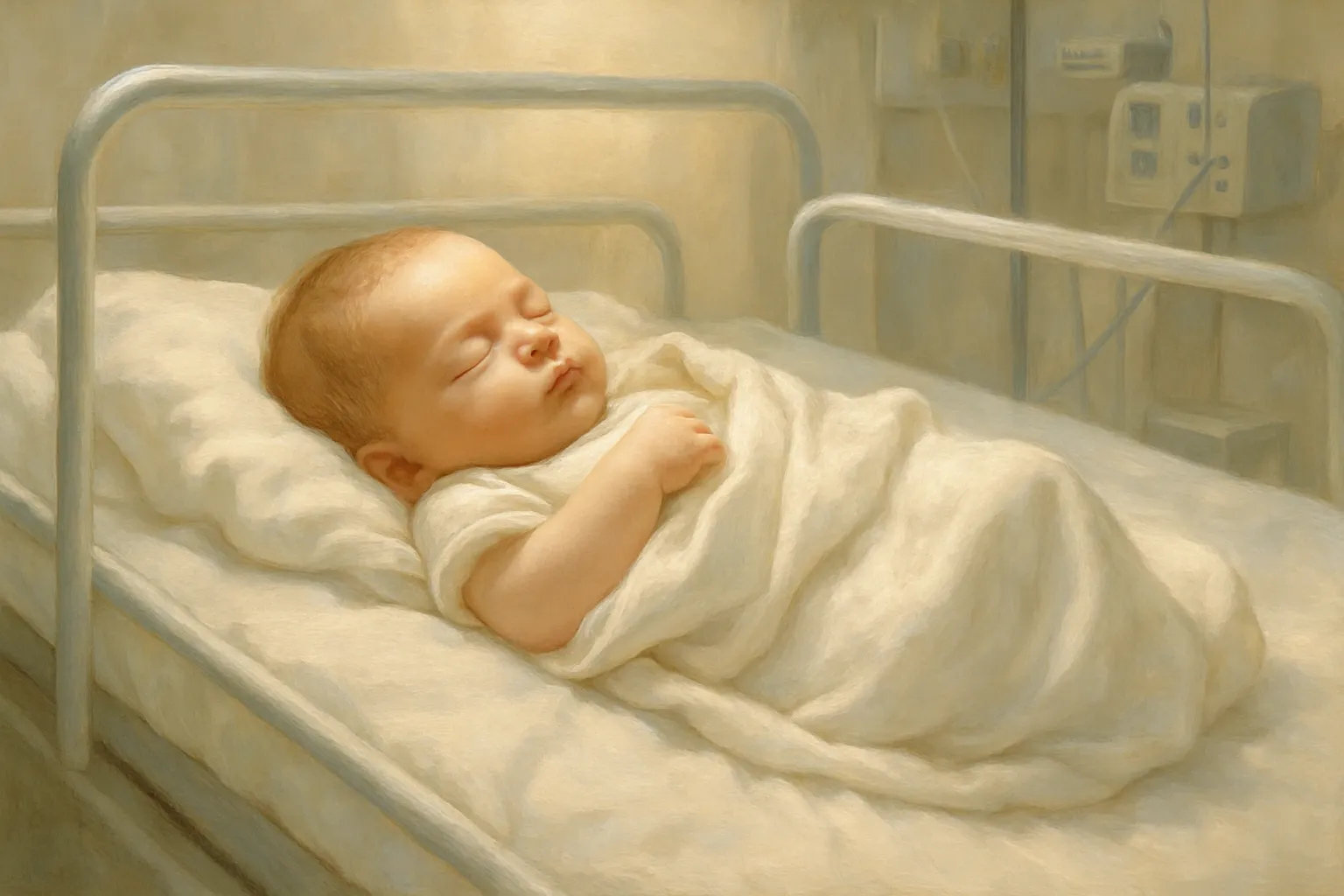
The child is in the other room.
Her child, the raw bundle of flesh
that splashed out, commodity-perfect, into sterile doctor hands.
Angelic, I suppose. A clean product.
Covered only in the liquid leftovers of its forced creation.
Interpretation
The scene establishes a dynamic conflict between two flows: the speaker's schizoid flow of self-referential aesthetics (poetry, pleading) and the woman's Luxemburgian flow of historical and materialist consciousness (the daily paper, the system). The woman is the analyst, brutally forcing the speaker to confront his deterritorialization from the political socius. Her cigarette leaving a "crimson coal / burning... in my eye" is the immediate, visceral Plathian cut, a painful injection of reality that shatters the speaker's narcissistic screen.
The central conflict hinges on the woman's demand to find the "terrible, necessary calculus" in the daily paper—the materialist imperative to trace how "one life connects to all." This is the anti-schizoid command to abandon the personal BwO (Body without Organs, where the self is everything) and instead map the capitalist desiring-machine, recognizing that the system's "brutal historical apparatus" is maintained by the mundane flow of economic data. The speaker’s rejection ("I'd rather spoke, rather read poetry") is his defense—a retreat into the aesthetic flow, which the woman instantly codes as impotence: "That's why you are not getting laid at night."
Her sexuality is therefore coded as an act of political resistance and sovereignty. Her "cunt... a forest protected by the moon" functions as an unbreachable territory—a perfect, autonomous BwO guarded by "contempt." The speaker is denied access because he refuses to accept the material reality she embodies. The final image of the child is the chilling product of this controlled system: the "bundle of flesh" is not a spontaneous flow of life, but a "commodity-perfect" output, delivered into "sterile doctor hands." The child's "liquid leftovers" are the residual, organic flows of creation that have been sterilized and processed by the medical and social machines. The child is the final, sad evidence that life itself is produced under total institutional control.
Comments
Post a Comment